The Avian Feed
To Build
Vacant land and development sites across the Bird Streets — the rarest opportunity in the Hollywood Hills, where the view is the foundation.
Available Parcels
The Land

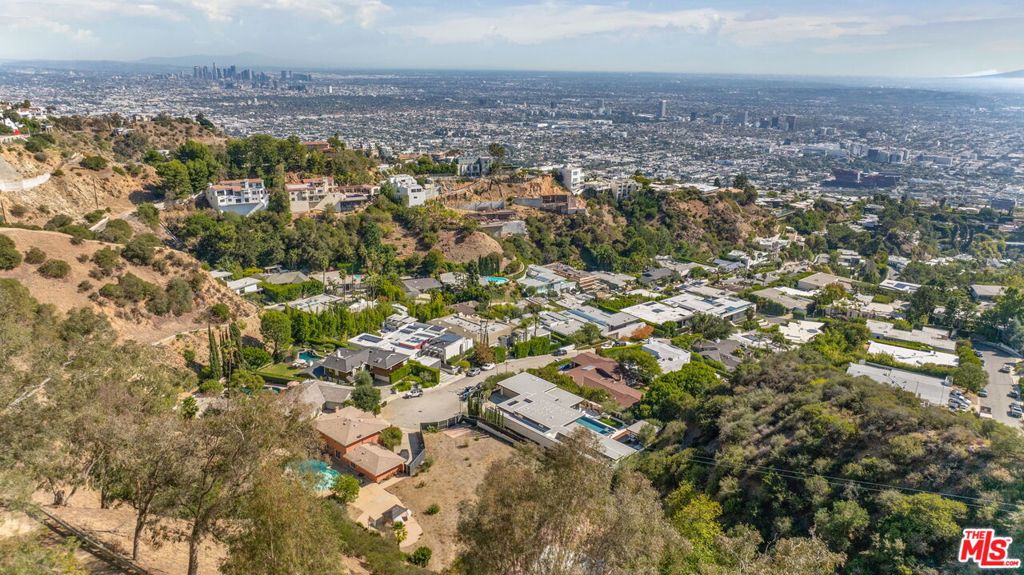
The Blank Canvas
To build in the Bird Streets is to accept a rare and singular commission: a hillside lot above Sunset Boulevard, a 300-degree view of the basin to the ocean, and the freedom to set the first line upon untouched earth. Here, the land is the architecture's first room — a foundation of light, air, and elevation that no finished house can ever replicate.
Vacant parcels in this enclave appear once a generation. Each is a steepened shelf of sandstone and chaparral, graded by decades of runoff and waiting only for an architect's intention. The work that follows is patient: soils reports, hillside ordinances, view corridors preserved for the neighbors below. Then, at last, the first pour.
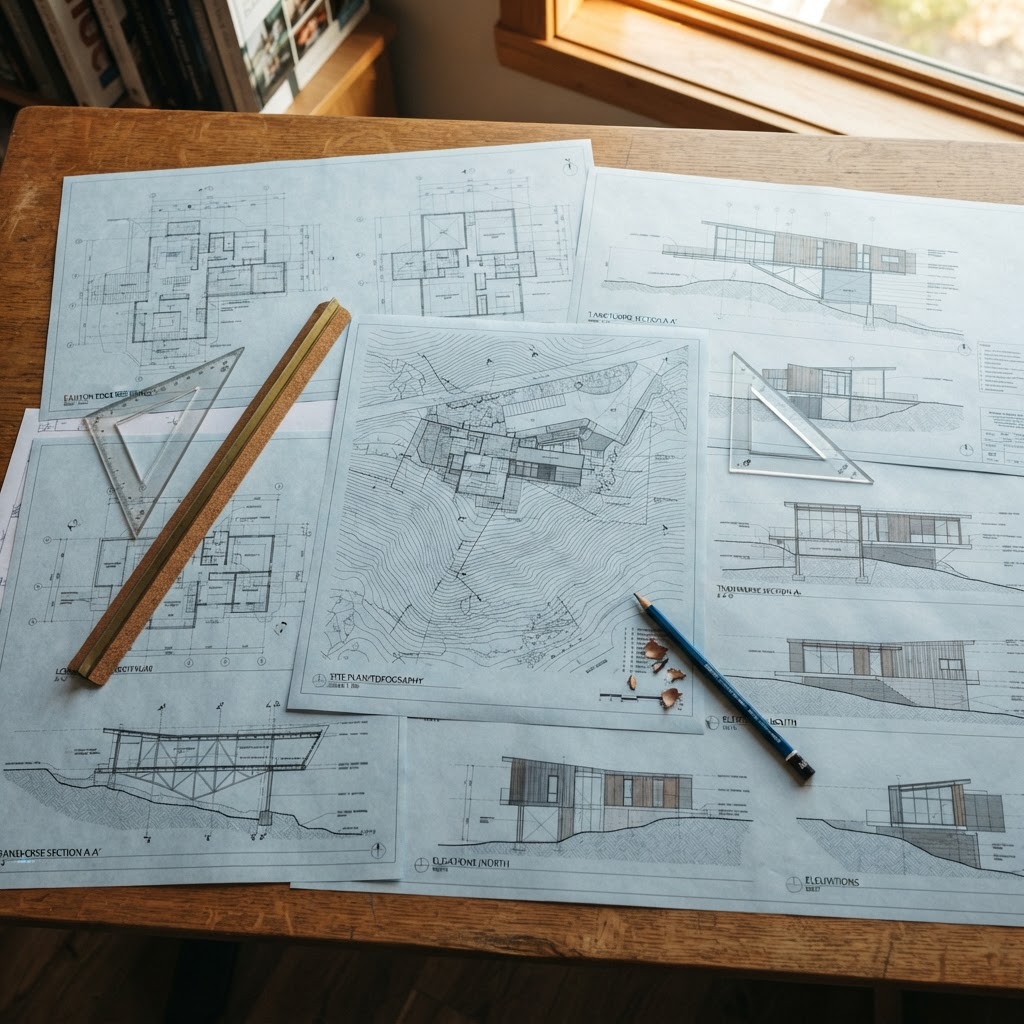
Drawing · Schematic
The Drawing
Before the First Wall
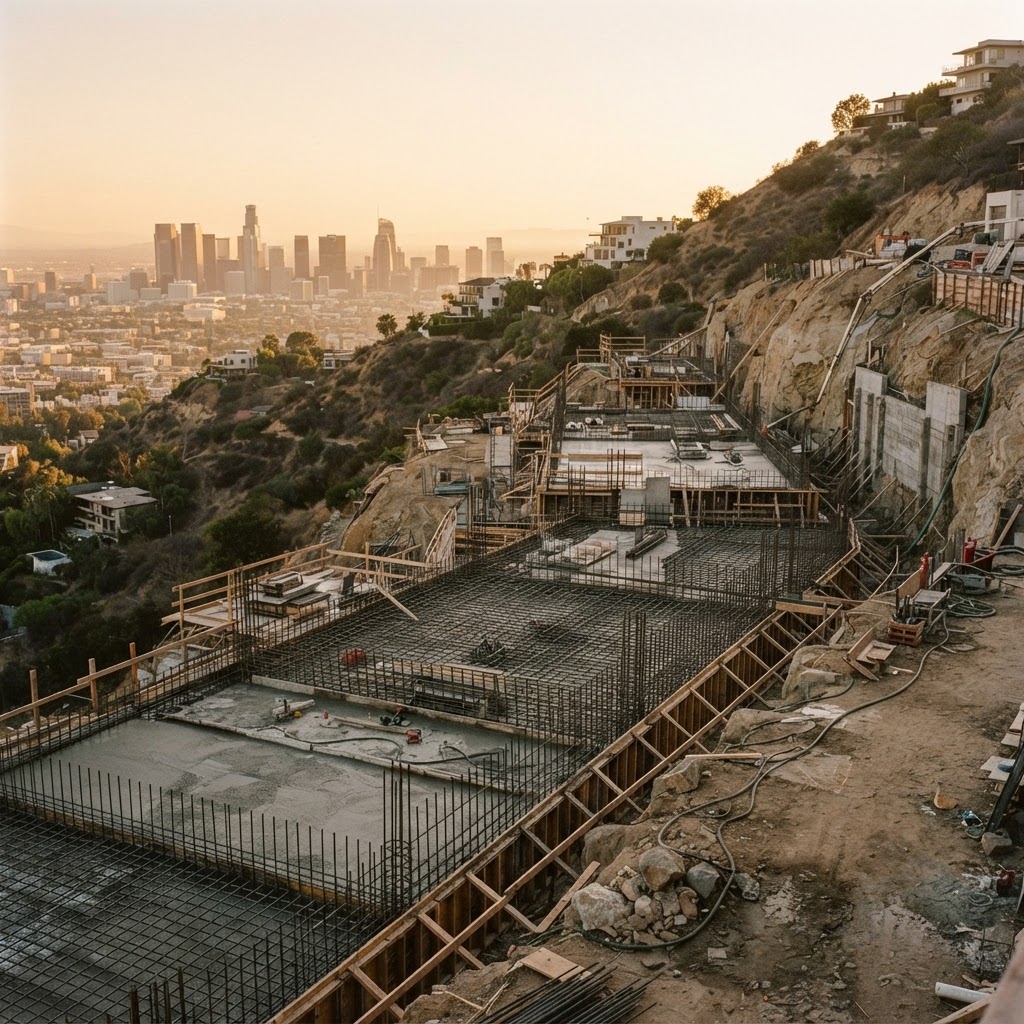
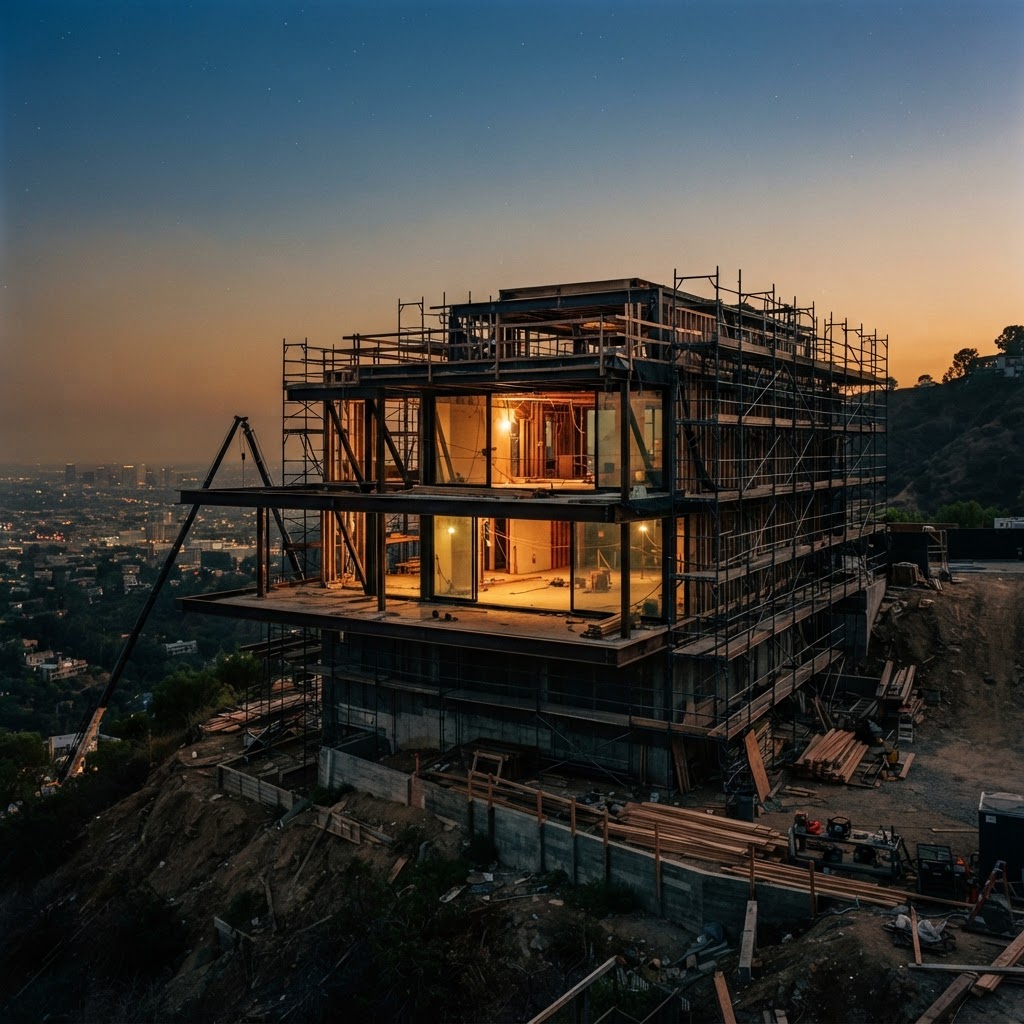
Every Bird Streets residence begins as a drawing — a negotiation between the slope and the sightline. The architect studies the grade, the solar arc, the frame of the city below, and translates it into sections and elevations long before a shovel breaks ground.
Hillside construction in Los Angeles is governed by the Baseline Mansionization Ordinance and the Hillside Ordinance, which together dictate height, setback, and grading limits designed to keep the ridgeline legible. The best drawings treat these constraints as a vocabulary rather than a cage — cantilevering over the slope, sinking mass into the hill, opening glass walls toward the west.
The Question
Remodel or Build New
Most Bird Streets lots already hold a house — often a modest mid-century ranch or a 1980s spec build that has outlived its sightlines. The first question is rarely whether to act, but how: restore and expand what stands, or clear the pad and begin again.
A remodel keeps the existing foundation and footprint, sidestepping the months of soils reports, grading permits, and hillside review that a new build demands. It is faster, less costly, and far less exposed to the Baseline Mansionization and Hillside ordinances. But it is also a compromise: you inherit the original orientation, ceiling heights, and structural limits, and you can rarely achieve the clean cantilevers and full-height glass the view deserves.
Building new is the longer, braver path. You gain a blank pad, a structure engineered to the slope, and the freedom to orient every wall toward the basin and the ocean. You also accept a permitting timeline that can stretch eighteen months to two years, grading limits that cap your envelope, and a budget that climbs with every foot of retaining wall. On a steep Bird Streets parcel, the cost per square foot of new construction often doubles that of a comparable remodel.
The honest calculus is this: remodel when the existing bones still read the view correctly and the structure can bear the weight of your ambition. Build new when the house fights the lot — when the orientation is wrong, the foundation is failing, or the only way to claim the sightline is to start from the bedrock. We walk both paths with our clients and can introduce the architects and engineers who will tell you, plainly, which one the hill is asking for.
A House of One's Own
The parcels shown above are the available ground in the Bird Streets — each a chance to answer the hill with a single, deliberate gesture. To build here is slow, exacting, and uncompromising. It is also the only way to own a residence that is truly yours, from the bedrock up.
Beyond the active listings, we know of several unlisted hillside parcels held quietly off-market — lots passed between families, held in trust, or quietly shopped without ever reaching the MLS. If nothing above answers your intention, reach out: the right piece of ground is often the one no one else has seen yet.
Representing buyers and builders across the Hollywood Hills. We connect you with hillside architects, soils engineers, and grading contractors who know this terrain.
Begin a Build